
About this range
About the Pitched Roof / Vented range
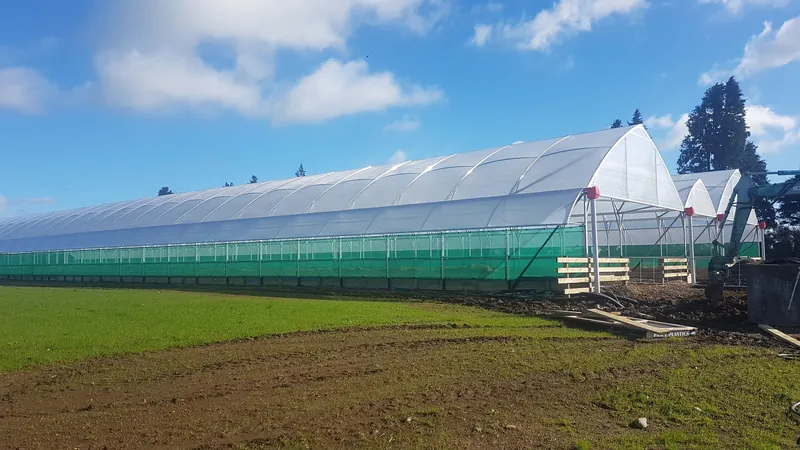
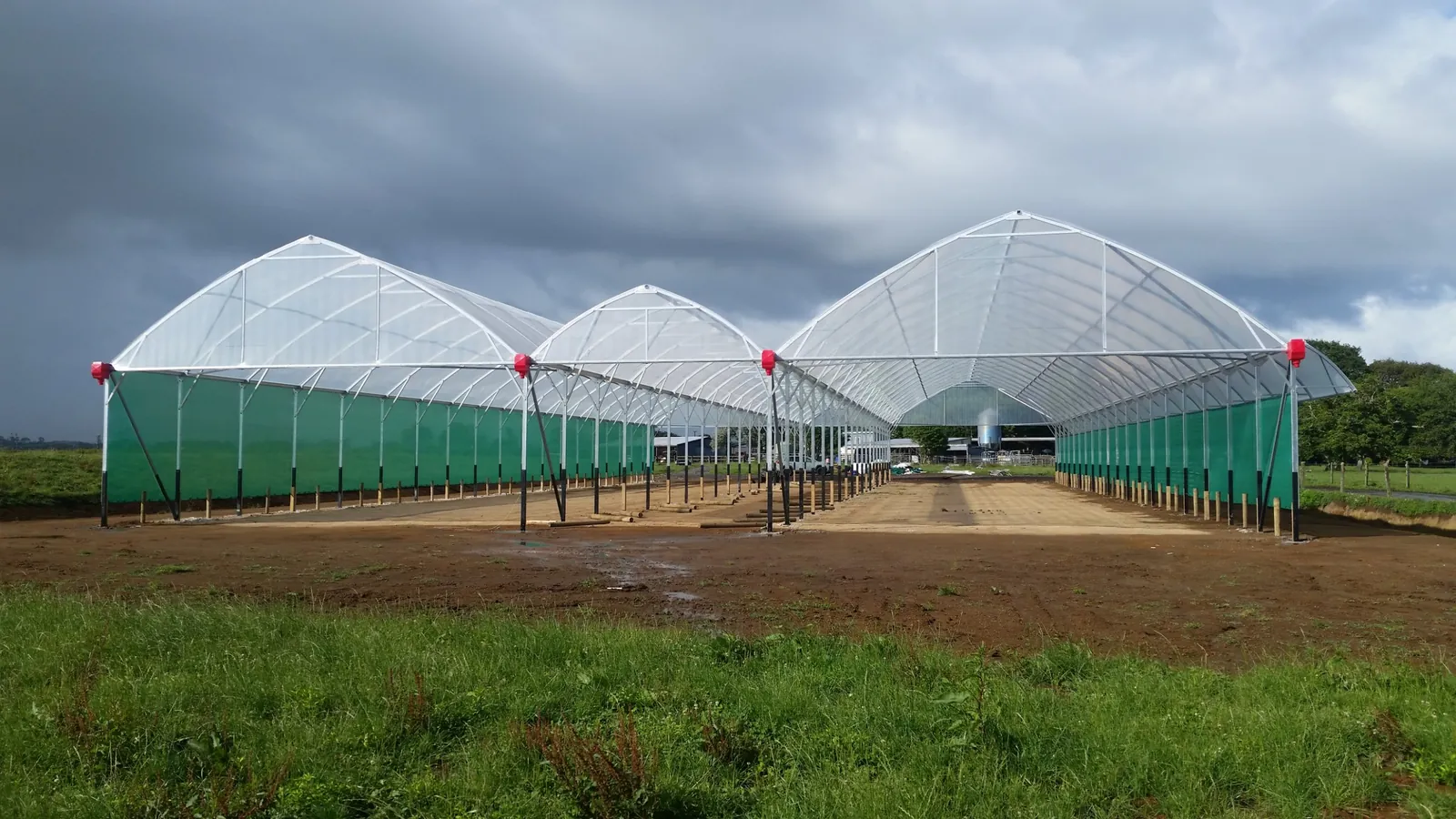
A pitched roof lets hot, humid air rise and escape through roof vents while cooler air is drawn in at the sides. That natural airflow is what keeps crops productive through summer heat, and it’s why vented, pitched roof structures are the usual choice for year-round production of vegetables, flowers and nursery stock.
These are the more engineered end of our range. They suit larger growing areas, higher-value crops and growers who want the option to automate ventilation, add screens or fit climate controllers now or later.
Best for
- Year-round vegetable production
- Cut flowers and nursery stock
- Growers planning automation
- Larger, multi-bay growing areas
Key features
Roof ventilation
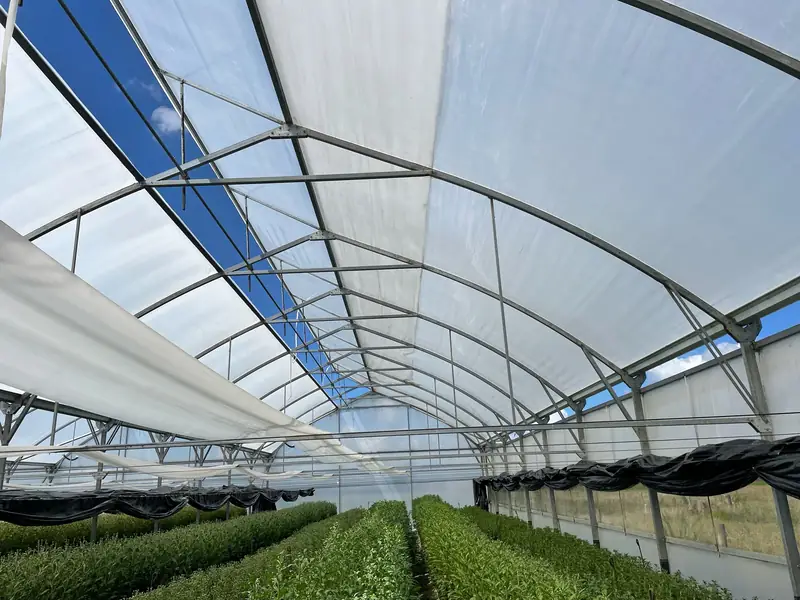
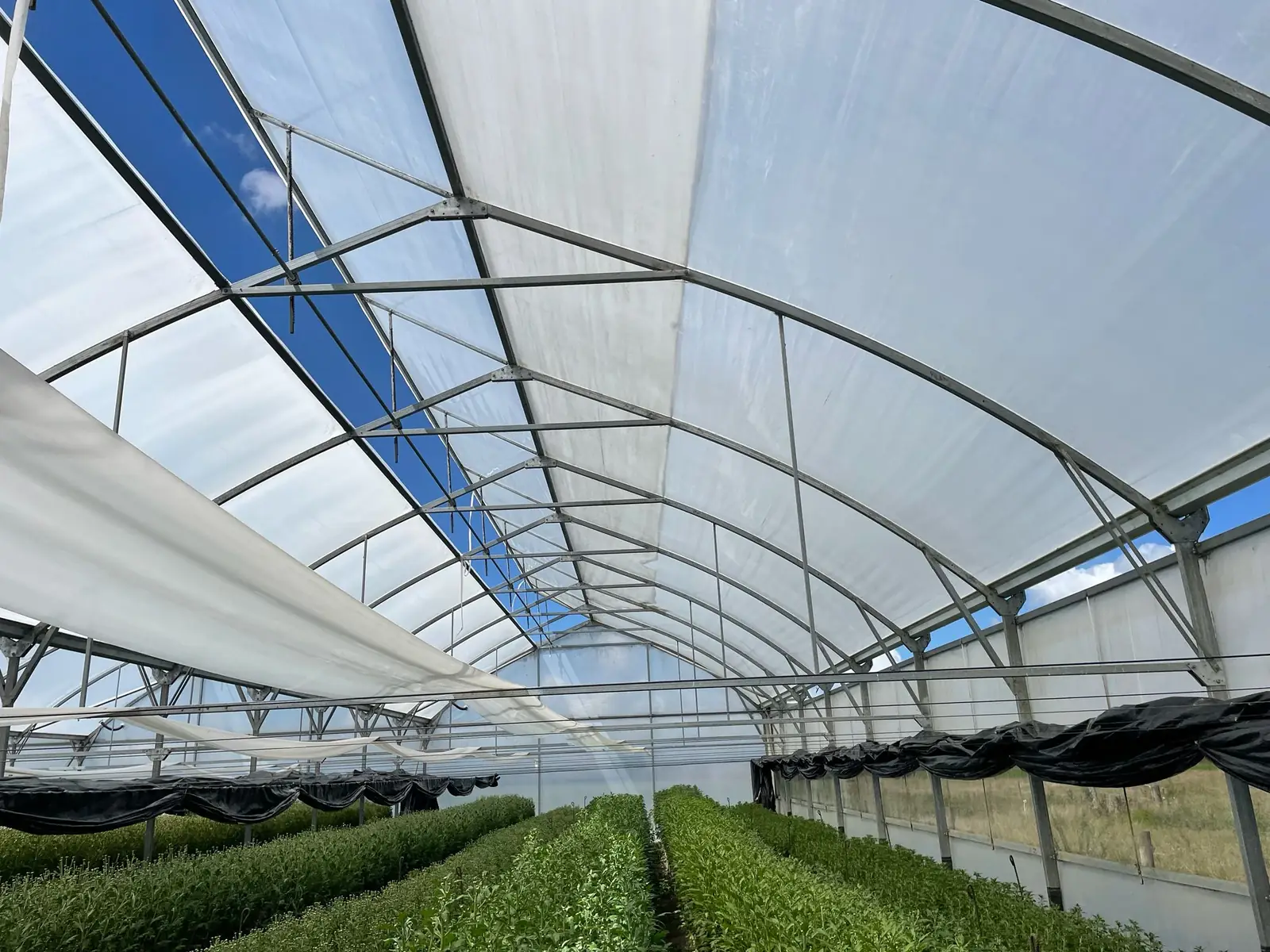
Ridge or roof vents release hot, moist air and are available with manual or automated drive systems.
Built for scale
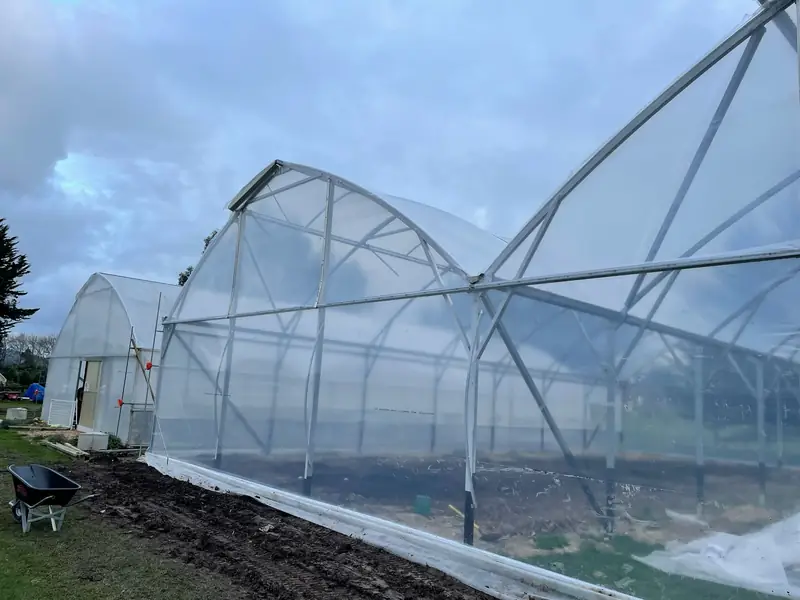
Multi-span frames let you add bays over time and cover large growing areas under one connected roof.
Cladding choices
Single or twin-skin film options let you balance light, insulation and budget for your crop and region.
Room for upgrades
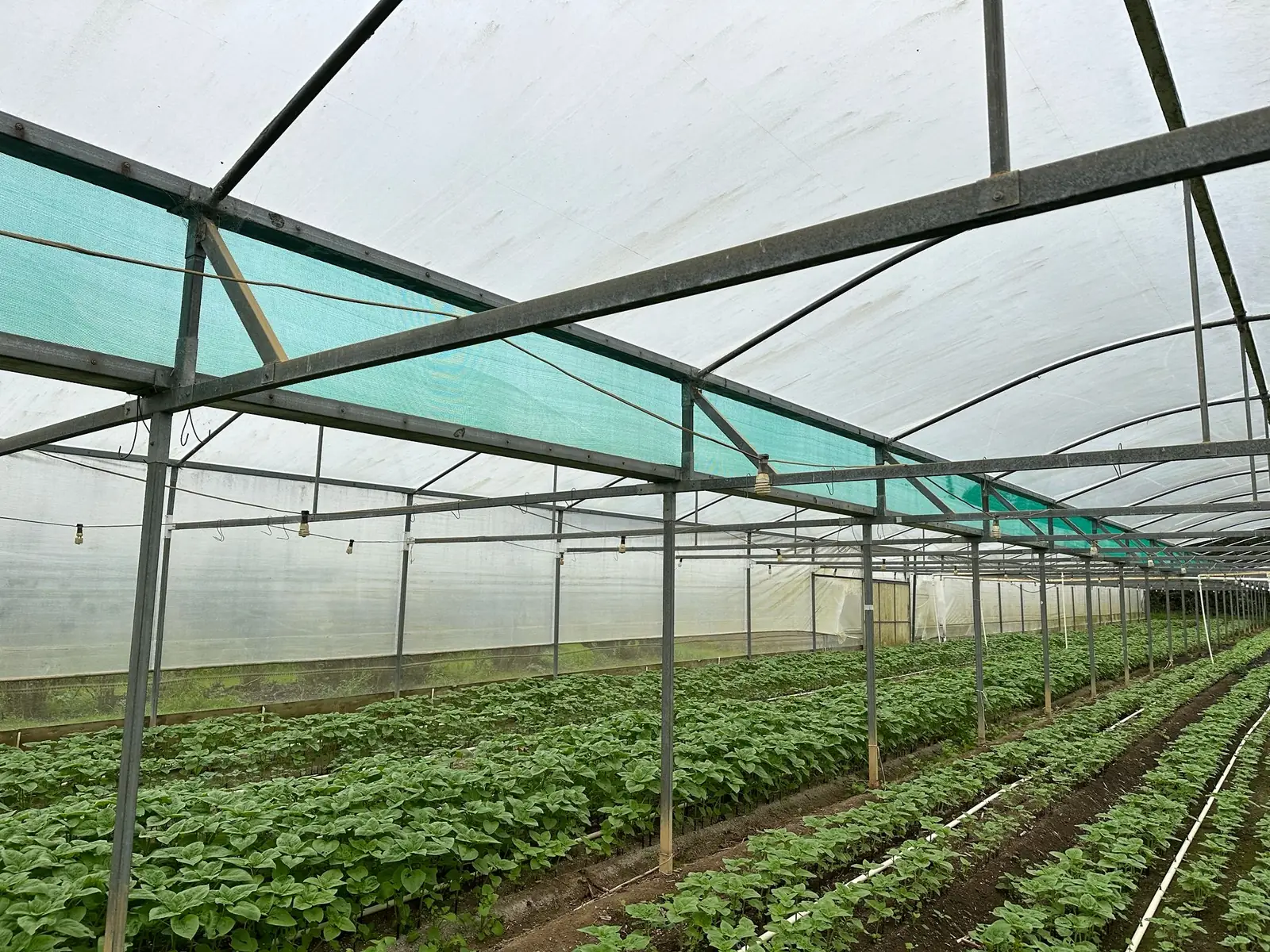
Side blinds, shade or energy screens and environmental controllers can be specified now or retro-fitted later.
Crop-height design
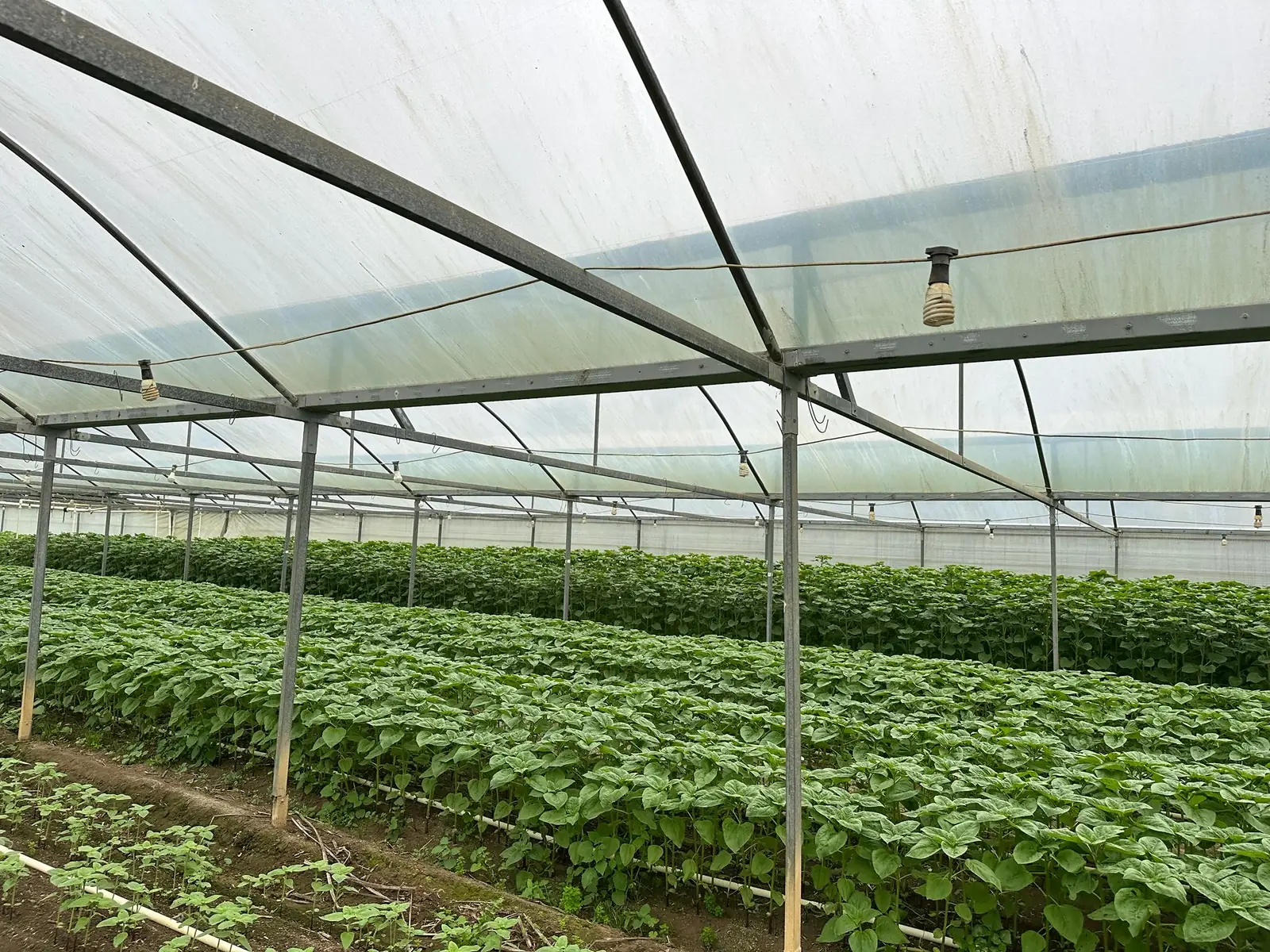
Internal height and layout are planned around your crop, trellising, irrigation and machinery.
Serviceable
Designed so vents, drives and covers can be inspected, serviced and replaced over the structure’s life.
Things to consider
- What you’re growing and the climate it needs, because that decides ventilation capacity.
- Wind exposure and ground conditions at your site.
- Whether you want manual vents now with automation later, or automation from day one.
- Cladding choice, single or twin skin, and how it suits your region’s winters.
- Services: power for drives and controllers, water for irrigation, drainage for the footprint.
Typical uses
- Tomatoes, capsicum, cucumbers and other protected vegetables
- Cut flowers
- Nursery and propagation
- Herbs and salad crops
Sizes, spans, materials, options and pricing are confirmed for your project in a written quote, so you get figures that match your site, not a generic brochure. Request yours.
What’s the advantage of a pitched roof over a tunnelhouse?
Pitched roofs with ridge vents usually give better natural ventilation and easier climate control in larger structures, which matters for higher-value, year-round crops. Tunnelhouses typically cost less per square metre. We’ll talk through which suits your crop and budget.
Can the roof vents be automated?
Yes. Roof vents can be run manually or fitted with drive systems and an environmental controller. Many growers start manual and automate later, so we plan the structure to allow for it.
Can I extend the greenhouse later?
Multi-span designs can usually be extended, but it’s much easier if we plan for it at the start. Tell us if you expect to grow, and we’ll allow for it.
Related ranges